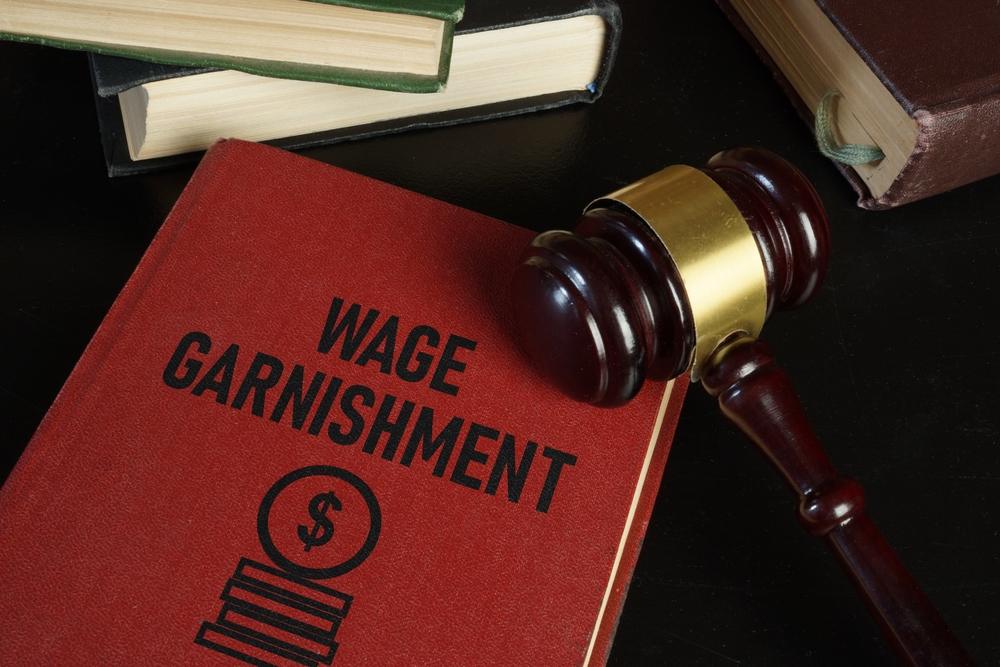
Long–term disability benefits can be garnished in certain situations, but whether they can be taken depends on the type of policy you have, the nature of the debt, and the laws that apply to your case.
In general, private long-term disability insurance payments are protected from most creditors, but they may be subject to garnishment for specific obligations like child support, alimony, or unpaid federal taxes.
Speaking with a long-term disability lawyer can help you understand when your benefits are secure and when they may be at risk.
Understanding how garnishment works and when your benefits may be vulnerable is essential for anyone relying on disability payments as a primary source of income.
The Difference Between Private and Government Disability Benefits
One of the first distinctions to make is between private long-term disability insurance and government disability benefits such as Social Security Disability Insurance (SSDI).
- Private long–term disability: These benefits are paid through an employer-sponsored plan or an individual policy. They are generally shielded from creditors, although some exceptions apply.
- Government benefits: SSDI and Supplemental Security Income (SSI) are federal benefits, and while they are also largely protected, they may be garnished for debts owed to the government or for family support obligations.
Knowing which type of disability benefits you receive is the first step in determining whether they are vulnerable to garnishment.
For a free legal consultation, call (225) 201-8311
Situations Where Garnishment Is Allowed
Even though long-term disability benefits are typically protected, there are exceptions. For example, people often ask, “Can disability be garnished for a judgment?” and in limited cases, the answer is yes.
Courts or government agencies may garnish benefits in situations such as:
- Child support: Courts can order garnishment of disability payments to fulfill child support obligations.
- Spousal support: Alimony or spousal maintenance orders can also trigger garnishment.
- Federal debts: Unpaid federal taxes or federally guaranteed student loans may lead to garnishment.
- Court judgments: In limited cases, state law may allow creditors to access part of your disability benefits if they obtain a court judgment.
The key factor is that garnishment is more common for legally prioritized obligations like taxes and family support rather than consumer debts such as credit cards or personal loans.
Why Creditors Usually Cannot Garnish Disability Insurance
For most people, private disability insurance is a safety net designed to protect income in case of illness or injury. Because of that purpose, the law often shields these payments from ordinary creditors.
Without these protections, many disabled individuals would lose the very financial support intended to keep them afloat.
This protection is particularly important when a disability prevents you from returning to work. Garnishment would not only reduce your income but could also prevent you from covering medical costs, housing, and basic living expenses.
Click to contact our insurance claim lawyers today
How State Laws Influence Garnishment
Laws about garnishment vary significantly by state. While federal law sets some baseline protections, individual states often create additional safeguards for disability benefits. Some states offer stronger protections than others, meaning where you live can make a big difference in how secure your benefits are.
Because of this, it’s critical to understand both federal and state rules when evaluating whether your long-term disability benefits may be garnished.
Complete a Free Case Evaluation form now
Common Confusion About LTD Benefits and Garnishment
Many people are unsure about the differences between short-term disability, long-term disability, and Social Security benefits when it comes to garnishment. Some assume all disability payments are the same, while others believe none of them can be touched. The truth lies somewhere in between.
- Short–term disability: Typically offered through employers and often subject to the same protections as long-term policies.
- Long–term disability: Strongly protected in most cases, but exceptions apply for specific debts.
- Social Security benefits: Federal benefits with their own garnishment rules, especially for child support and taxes.
Sorting through these details on your own can be overwhelming, especially when financial pressures are mounting.
Where We Can Help
J. Price McNamara, we have seen how quickly confusion about garnishment and benefits can spiral into stress for families.
Our role is to clarify your rights, explain the protections in place for your long-term disability insurance, and defend those protections if creditors or insurers overreach.
With over 30 years of experience, our focus is exclusively on ERISA disability and life insurance claims. We know how to review your policy, assess whether your benefits are at risk, and take legal steps if garnishment is being improperly applied.
Because we handle everything remotely, you can get answers and guidance no matter where you live.
Get Guidance on Protecting Your Disability Benefits
So, can long-term disability be garnished? The answer is yes, but only in limited circumstances, usually involving family support or federal debt. For most other obligations, these benefits are protected.
If you have questions about your policy or are facing a potential garnishment, we’re here to help. J. Price McNamara, we offer free consultations and only get paid if we recover money for you.
Contact us today to speak with our team and protect your long-term disability benefits.
Call or text (225) 201-8311 or complete a Free Case Evaluation form